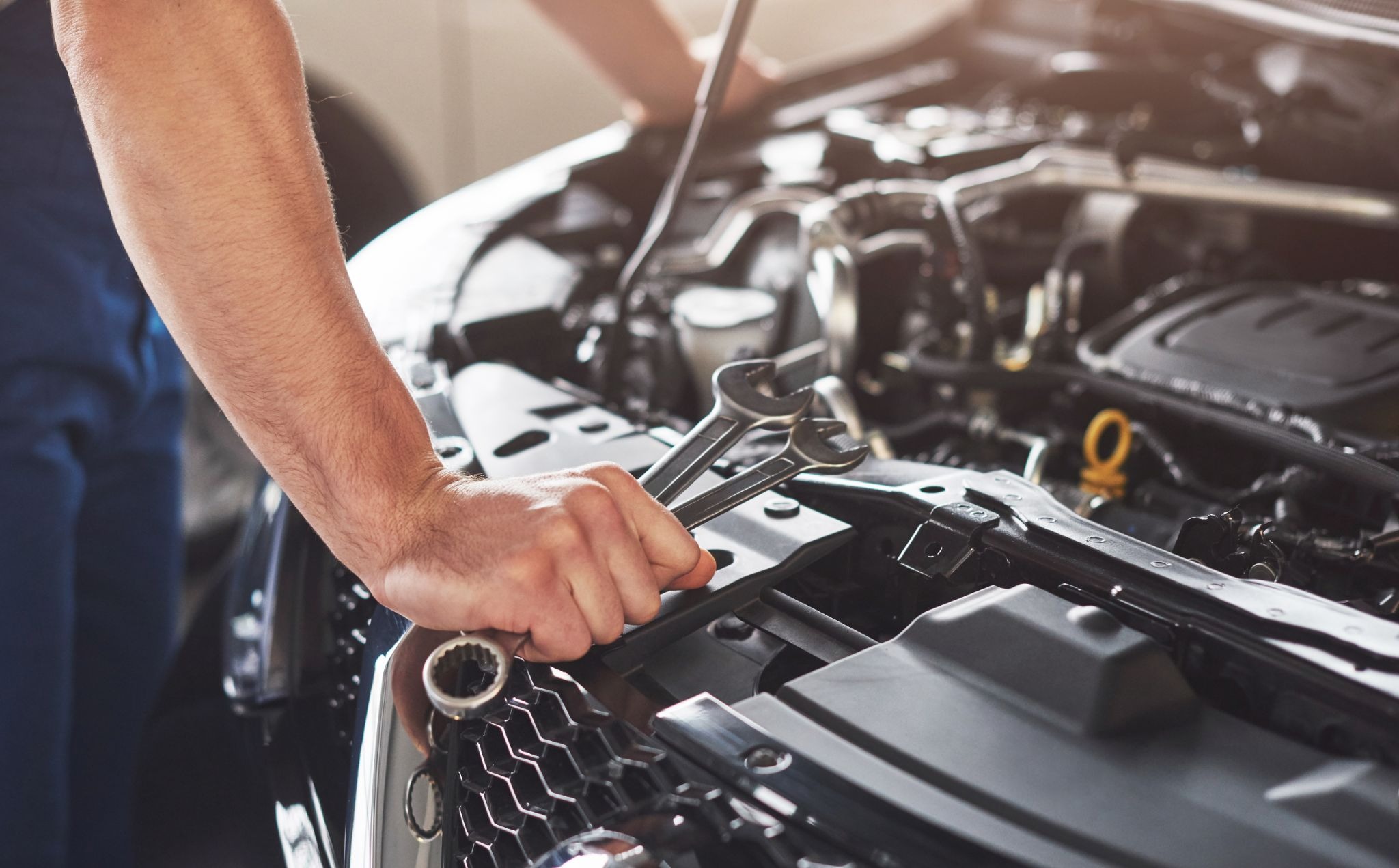
Your vehicle’s engine has a lot of components that keep it running and ensure there are no leaks. One such rather small component is a valve cover gasket.
This part is often overlooked by drivers. But a damaged cover gasket can lead to oil leaks and other engine problems. This is why knowing when to replace it can protect your engine and save you from costly repairs.
What Is a Valve Cover Gasket?
First, let’s understand what a valve cover gasket is. This is essentially a sealing component. It fits between the metal valve cover and the engine body, preventing oil from leaking. It also stops dirt, dust, and water from getting into the engine.
Over time, it can become hard, brittle, or damaged due to constant exposure to engine heat and oil. In that scenario, it lets engine oil escape around the valve cover.
The material and design of valve cover gaskets depend on the engine. Some are made with soft rubber or cork, while others are made specifically for the engine’s operating condition.
Signs of a Worn Valve Cover Gasket
One of the major signs of a failed valve cover gasket is oil escaping around the valve cover. You may notice oily residue where the cover meets the cylinder head.
Other warning signs can include a pungent burning smell and even visible smoke. When oil accumulates around the ignition components, it can cause engine problems. However, many problems have similar symptoms. Therefore, make sure to investigate properly before replacing the gasket.
Why Do Valve Cover Gaskets Fail?
One of the primary causes behind cover gasket failure is heat. Engines usually reach a high operating temperature. Constant exposure to this heat can cause the cover gaskets to lose their flexibility. Other causes can be age, oil exposure, and excessive tightening of the valve cover bolts.
The replacement of the gasket depends on its condition and the manufacturer’s recommendation. So, if you notice any symptoms, going to a professional should be your priority.
What Happens If You Ignore an Oil Leak?
A small valve cover leak may look insignificant to you. But constant oil leaks can reduce engine oil levels. Moreover, this leaking oil can spread to other engine components. For instance, it can reach spark plug wells and interfere with the ignition system, leading to misfires.
Oil leaking onto hot components can also cause a burning smell and smoke, and, in the case of significant leaks, pose a fire hazard.
When Should You Replace the Gasket?
Gasket replacement becomes necessary when there are leaks, visible deterioration, and other symptoms. These symptoms can be confirmed by professionals. If you see oil around the valve cover, make sure to diagnose the root cause.
Remember, oil can travel away from its source. Because of this, an apparent valve cover leak may originate from another engine component. This is why professional intervention is important.
Why Timely Valve Cover Gasket Replacement Is Necessary
While they look insignificant, valve cover gaskets are necessary to keep the oil contained. As the gasket ages, it can develop leaks, leading to oil contamination and serious problems if ignored.
You should replace a worn gasket immediately after consulting with professionals to ensure your vehicle continues to function efficiently.