
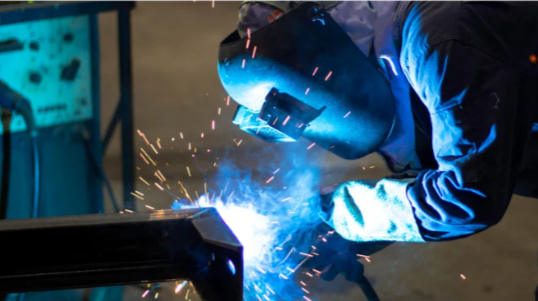

Robotic welding offers incredible speed and precision, but these automated systems generate significant amounts of hazardous particulate matter that must be managed effectively. While robots don’t breathe, the human operators overseeing them do, and sensitive electronic equipment is also vulnerable to the accumulation of metallic dust. A high-performance welding fume extractor is essential for maintaining air quality and protecting the longevity of expensive robotic investments.
The Importance of Source Capture in Automation
Capturing fumes at the source is the most effective way to prevent hazardous particles from spreading throughout a facility. When dealing with robotic cells, integration is key to ensuring that safety mechanisms work in tandem with production cycles.
Protecting Sensitive Robotics
Welding fumes contain tiny metal particles that can settle on robotic arms, sensors, and control panels. Over time, this buildup acts as an insulator, causing overheating in electronic components or mechanical wear in moving joints. Implementing a robust extraction system prevents this dust from accumulating on the equipment itself. This proactive maintenance step reduces downtime caused by sensor failures or mechanical cleaning requirements, keeping the production line moving efficiently.
Ensuring Operator Safety
Even though a robot performs the actual welding, human technicians are always nearby for programming, maintenance, and part loading. If the cell is not properly ventilated, fumes escape the enclosure and enter the general shop floor. A dedicated system creates negative pressure within the welding cell or captures fumes directly at the torch tip, ensuring that the air surrounding the robotic cell remains safe for all personnel in the vicinity.
Strategies for Effective Integration
Integrating extraction systems requires careful planning to match the specific needs of the robotic application. It is not enough to simply place a hood over the cell; the airflow dynamics must be engineered to capture fumes without disrupting shielding gas coverage.
Direct-to-Torch Extraction
One of the most efficient methods for robotic setups is on-torch extraction. This involves attaching a specialized nozzle directly to the robotic welding gun. Because the nozzle follows the weld path precisely, it captures fumes the moment they are generated. This method is highly effective for complex geometries where a fixed hood might miss the plume. However, it requires precise calibration to prevent the suction from pulling away the shielding gas, which would compromise weld quality.
Hood and Enclosure Systems
For larger robotic cells or applications with heavy fume generation, a full enclosure or overhead hood system acts as the primary containment strategy. These systems pull air upward and away from the workpiece. Understanding the mechanics of airflow is critical here; how a welding fume extractor works efficiently depends largely on filter maintenance and proper duct design. Professional installation ensures the airflow is balanced to handle the volume of fumes produced during high-amperage robotic welding.
Maximizing System Efficiency
To get the most out of an integrated system, facility managers should focus on automated controls that sync with the welding cycle.
Automated Start-Stop Controls
Modern extraction units can be linked directly to the robot controller. This allows the extractor to ramp up power only when an arc is struck and power down or enter an idle mode when the robot is moving between welds or waiting for parts. This synchronization significantly reduces energy consumption and extends the life of the filter media. It also reduces ambient noise levels on the factory floor, contributing to a better work environment.
Professional Maintenance and Monitoring
Relying on professional services for system design and maintenance ensures compliance with safety regulations. Experts can conduct air quality assessments to verify that the integrated system is performing as intended. Regular professional inspections help identify potential issues, such as clogged filters or duct leaks, before they affect production efficiency.
Conclusion
Combining robotic precision with advanced fume extraction technology creates a safer, cleaner, and more productive manufacturing environment by selecting the right integration strategy, whether on-torch or enclosure-based, and utilizing automated controls, facilities can protect both their human workforce and their automated assets. Investing in professional integration ensures that these systems operate at peak performance for years to come.

